
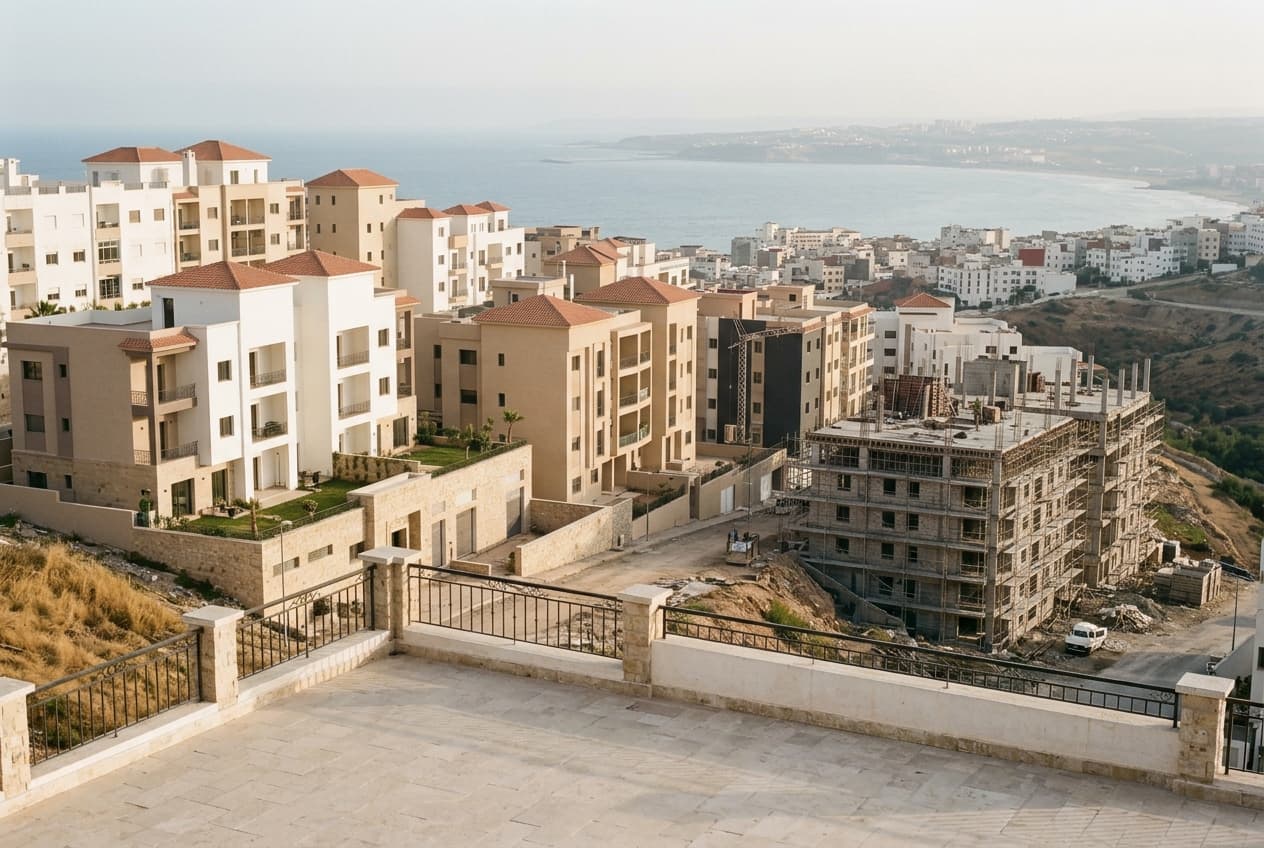
A city where the pace of sales changes quickly
Industrial and port development around Tangier has reshaped property demand: an influx of managers and employees, residential expansion east and west of the city, and a strong presence of Moroccan buyers living abroad. A single project can see very different absorption rates from one phase to the next.
In that context, a sales grid frozen in a spreadsheet ages badly. Prices change between phases, options are placed remotely, and purchase decisions are sometimes made during a short window when the buyer is in town. Tracking has to preserve the history without slowing down replies.
The critical point in Tangier is not the first contact, but the continuity of the record between two visits from the buyer.
1. Tracking buyers who are not on site
A significant share of records advance by phone, messaging or video call, with viewings concentrated into a few weeks a year. The prospect record must therefore keep every exchange, the documents sent, the units already offered and the objections raised, so another salesperson can pick the record up without starting over.
Time zones and limited windows of availability make the next action even more important than elsewhere. A missed call-back can cost several weeks, and the buyer will have compared other projects in the meantime.
- A complete history of exchanges, attachments included.
- A list of units already offered and those ruled out, with the reason.
- A dated next action, including for records in a long wait.
- The buyer's expected travel window recorded on the file.
2. Keeping inventory reliable as phases follow one another
Many Tangier projects are sold in successive phases, with distinct price lists. If the phases share the same file without a clear structure, errors appear quickly: a unit offered at a previous phase's price, an option kept beyond its deadline, or availability announced when a reservation is already signed.
The answer is to attach every unit to its phase and keep price history with effective dates. A salesperson can then justify an offer made a few days earlier without hunting for an old version of the file.
- Systematic attachment of the unit to its phase and building.
- Price history with effective date and who made the change.
- Dated options with an owner and a release deadline.
- A weekly check on gaps between sales inventory and signed records.
3. Securing collections on records spread over time
When the buyer pays from abroad or in widely spaced instalments, reconciliation becomes trickier. Every transaction must stay linked to the record, the unit and the project, with due date and payment date kept separately.
An arrears view sorted by age is more useful than a simple total. It lets you separate a one-off delay from a record genuinely at risk, and trigger follow-up according to the rules the company has approved.
Putting tracking in place without interrupting sales
Start with the phase currently being sold rather than the whole project. Clean up the unit grid, import the prospects that are still open, then attach that phase's reservations and payment schedules. Delivered or sold-out phases can be migrated later, without urgency.
After a few weeks of use, check the records with no next action, the expired options and the unattached payments. Those three lists are usually enough to identify the remaining friction points.
Frequently asked questions
How do we track an expatriate buyer over several months?
By keeping every exchange and every unit offered on the record, with a dated next action even during waiting periods. The record then stays workable by anyone on the team.
Do we need a separate sales grid for each phase?
Not a separate file, but a clear distinction within the same reference data. Each unit is attached to its phase and its price list, which prevents offering a unit at a previous phase's rate.
Can the CRM handle several projects in Tangier and elsewhere?
Yes. Projects in several cities can share the same reference data and the same statuses, while keeping price lists, teams and indicators specific to each development.